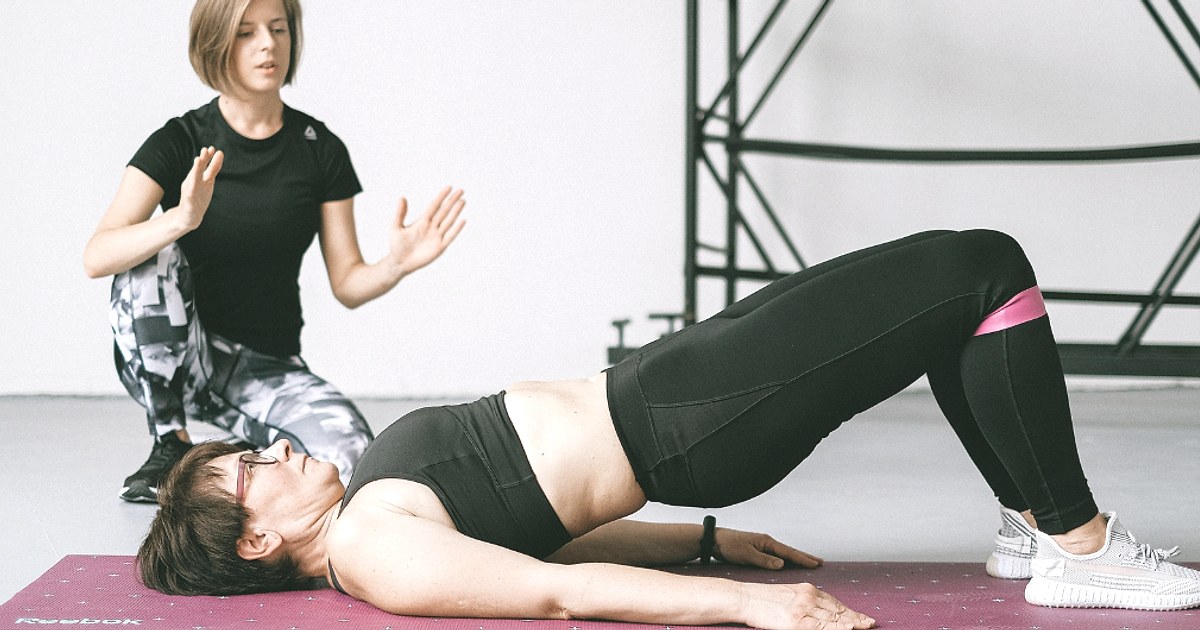
Pregnancy and birth put real strain on the pelvic floor, the group of muscles that support your bladder, bowel and womb, and it is common for these muscles to feel weaker afterwards, whichever way you gave birth. NHS Trust guidance suggests that gentle pelvic floor exercises can usually begin within the first day or so after birth, unless you have been told otherwise by your midwife or doctor, and that gradual, gentle movement such as walking is generally safe from early on too. This article covers what a typical recovery timeline looks like, when it is worth seeing a pelvic health physiotherapist, and how to check they are properly qualified.
Who this is for
This is for you if you have recently had a baby and are trying to work out what postnatal recovery should actually look like, whether what you are experiencing is normal, and when pelvic floor symptoms are worth seeing someone about rather than waiting them out.
What a typical recovery timeline looks like
NHS Trust guidance generally describes a gradual return to activity. Gentle exercise, including walking, pelvic floor exercises, pelvic tilts and gentle stretching, is usually appropriate in the first six weeks after birth. Around six weeks, many people are ready to introduce low-impact activity such as swimming, yoga or Pilates gradually, and it is generally advised to avoid high-impact exercise or running for at least three months, since it can take the pelvic floor this long, or longer, to return to its pre-pregnancy strength. Recovery from a caesarean birth typically takes longer, since it is a major operation as well as a birth.
Your six to eight week postnatal check is generally the point at which it is worth getting individual advice before starting anything more strenuous, since your own recovery, birth experience and any complications will affect what is appropriate for you.
When pelvic floor symptoms are worth seeing someone about
Some degree of weakness, heaviness or leaking urine when you cough, laugh or exercise is common in the weeks after birth, but it is not something you need to simply live with. If symptoms like these are still present beyond the early weeks, or if you notice a bulging or dragging sensation, these are reasonable reasons to ask your GP or health visitor about a referral to a pelvic health physiotherapist.
Pelvic health physiotherapy is available through the NHS in many areas, often via a GP or postnatal check referral, and is also available privately if you would prefer a shorter wait or more flexible appointment times. Neither route is inherently better. NHS access depends on local service availability, while private care involves a cost but often a faster first appointment.
What to check before booking a pelvic health physiotherapist
Any physiotherapist practising in the UK, including those specialising in women's and pelvic health, must be registered with the Health and Care Professions Council (HCPC), the regulator for physiotherapy as a protected title. Beyond core registration, many pelvic health specialists hold additional postgraduate training in women's health physiotherapy and are affiliate members of the Pelvic, Obstetric and Gynaecological Physiotherapy (POGP) professional network. It is reasonable to ask a potential physiotherapist about their HCPC registration number and any additional pelvic health training before booking.
Pelvic floor weakness and gradual recovery are common after birth, and gentle exercise including pelvic floor exercises can usually start within the first day or so, with low-impact activity introduced around six weeks and high-impact exercise generally avoided for at least three months. Your six to eight week postnatal check is the right point to get individualised advice. Ongoing symptoms such as leaking, heaviness, or a bulging sensation are reasonable reasons to ask for a referral to a pelvic health physiotherapist, available through the NHS or privately. Any physiotherapist you see should be registered with the HCPC.
Questions people often ask
Not everyone does, but it is worth considering if symptoms like leaking, heaviness, or a bulging sensation continue beyond the early weeks after birth. Speaking to your GP, health visitor, or midwife at your postnatal check is a reasonable first step to find out whether a referral would help.
Yes, in many areas, usually accessed through a GP or postnatal check referral, though availability and waiting times vary by location. Private pelvic health physiotherapy is also widely available if you would prefer a faster first appointment.
Gentle activity such as walking and pelvic floor exercises can usually start within the first day or so after birth. Low-impact exercise is often introduced gradually from around six weeks, with high-impact exercise or running generally avoided for at least three months. Your own recovery and any complications will affect what is right for you, so check at your postnatal appointment.
Confirm they are registered with the Health and Care Professions Council (HCPC), which is required for anyone practising as a physiotherapist in the UK, and ask whether they have additional postgraduate training or affiliation with the Pelvic, Obstetric and Gynaecological Physiotherapy network.
This article is for general information only and is not a substitute for professional medical advice. If you are concerned about a specific symptom, please see a GP or other qualified healthcare provider.