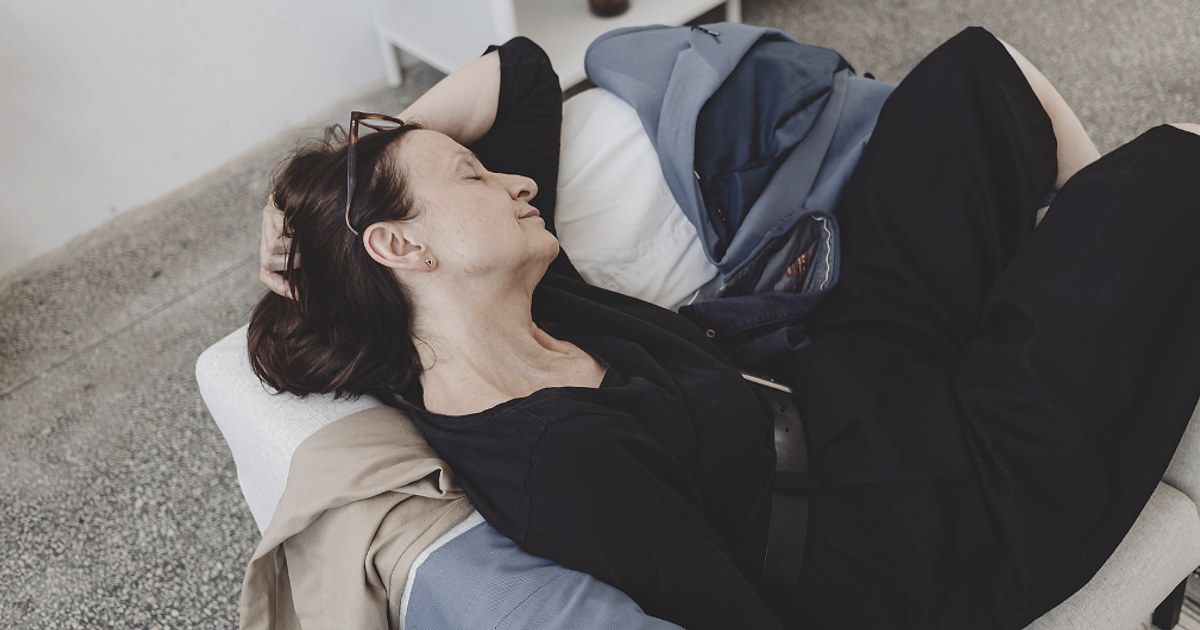
Low energy and low motivation to exercise usually feed each other. You feel tired, so moving feels harder, so you move less, and the tiredness settles in further. The good news is that the way out of this loop is often smaller and more forgiving than it sounds. The NHS notes that even a single 15-minute walk can provide a genuine energy boost, and regular movement tends to reduce tiredness over time rather than add to it. This article looks at why low energy and low motivation show up together, what a realistic starting point looks like, and when it is worth mentioning to a GP instead of just pushing on.
Who this is for
This is for you if you have been feeling flat, low on energy, or simply unmotivated to exercise for a while, and every piece of fitness advice you read seems to assume you already have the energy to follow it. It is also for you if you used to move more and cannot quite work out when or why that stopped.
Why low energy and low motivation often show up together
Tiredness makes everything feel like more effort, including the thought of getting changed and going for a walk. That is a normal response, not a failure of willpower. The NHS points out that stress itself uses up a lot of energy, and that persistent, overwhelming tiredness is worth raising with a GP rather than working around indefinitely.
It can help to notice whether your energy dips at a particular time of day. Many people find their energy is highest earlier on, even if that "high" still feels fairly low, and that working with that pattern rather than against it makes movement feel more manageable.
What a realistic starting point looks like
You do not need a structured plan to start moving again. The UK Chief Medical Officers' guidelines suggest working toward 150 minutes of moderate activity a week, such as brisk walking, or 75 minutes of more vigorous activity, and note that even short bouts under 10 minutes add up and count. That means a slow ten-minute walk around the block is a legitimate start, not a consolation prize.
If a full workout feels like too much, gentler movement such as walking or restorative stretching can still help, and for some people it feels more accessible than higher-intensity exercise when energy is already low. The aim at this stage is simply to move a little more than you did last week, not to hit a target straight away.
Rest, pacing, and knowing the difference
Sometimes low energy is telling you to rest, not to push harder. The NHS's fatigue guidance recommends finding a manageable baseline level of activity, building it up gradually once that feels comfortable, and spacing activity through the day with planned rests in between, rather than trying to do everything at once. If you have been unusually exhausted for weeks rather than days, or the tiredness is not explained by things like sleep, stress, or a recent illness, it is worth mentioning to a GP rather than assuming more exercise is the answer.
Low energy and low motivation to exercise commonly reinforce each other, and starting small rather than pushing through is a legitimate first step. A short walk of around 15 minutes can genuinely lift energy, and the UK's physical activity guidelines count any movement toward the weekly 150-minute moderate activity target, including bouts under 10 minutes. Persistent, unexplained tiredness that does not improve with rest and gentle activity is worth raising with a GP.
Questions people often ask
It can be either, and the difference usually comes down to how long it has gone on. A short period of tiredness often responds well to gentle movement like a short walk. Tiredness that has lasted weeks, or feels overwhelming, is more likely to need rest and pacing, and is worth mentioning to a GP if it does not settle.
Starting smaller than feels necessary tends to help more than waiting for motivation to arrive first. A ten-minute walk at the time of day your energy tends to be highest is a realistic first step, and the UK physical activity guidelines count short bouts of movement toward the weekly target.
Yes. Being inactive can make you feel more tired over time, while regular movement, even in small amounts, tends to increase energy levels for most people. The NHS notes that a short walk can provide an immediate energy lift.
If tiredness is persistent, overwhelming, or not explained by things like poor sleep, stress, or a recent illness, it is worth raising with a GP rather than assuming exercise alone will resolve it.
This article is for general information only and is not a substitute for professional medical advice. If you are concerned about a specific symptom, please see a GP or other qualified healthcare provider.