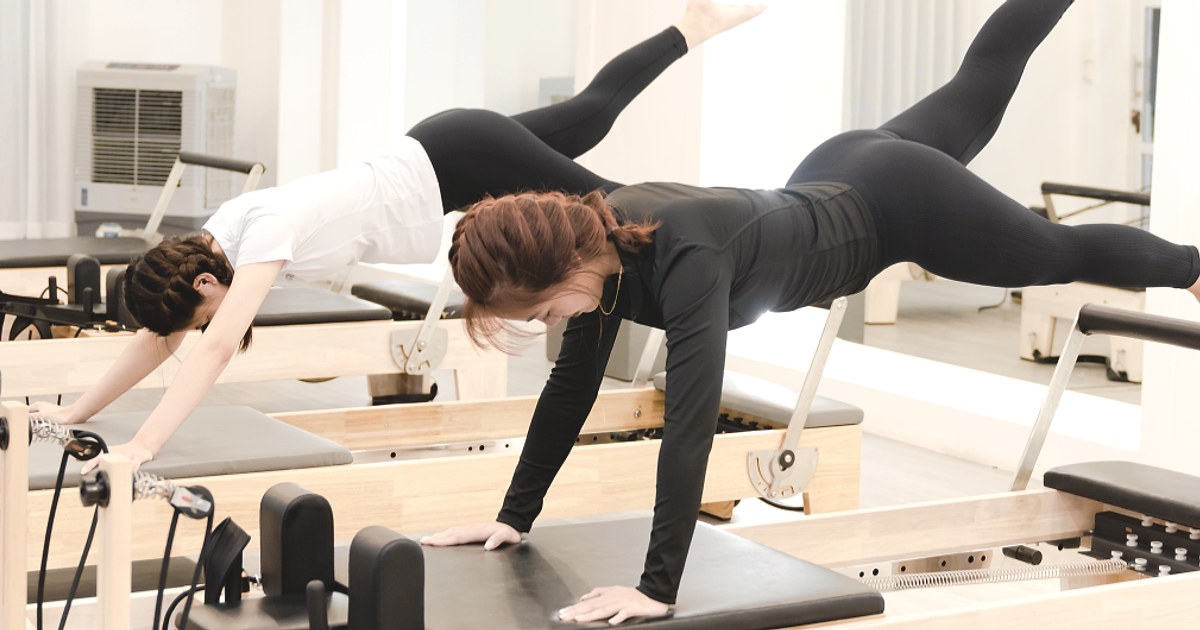
Reformer pilates uses a spring-loaded machine to add resistance to controlled, core-focused movements, while yoga combines postures, breathing and stillness to build flexibility and body awareness. Neither is a substitute for the other, and plenty of people in Fulham and Notting Hill do both, using each for a different purpose.
Who this is for
You're a desk worker or beginner looking at studios in Fulham or Notting Hill, and you're trying to work out whether reformer pilates or yoga fits your body, your goals, or your schedule better, without a studio's marketing telling you what to think.
What reformer pilates is good at
Reformer pilates targets core strength, postural control and full-body toning through resistance provided by adjustable springs. Because the resistance and support are adjustable, it's often more accessible than mat-based exercise for people managing an existing injury or returning to movement after time off. A 2026 review of the evidence found reformer pilates has been shown to help with modest increases in muscle mass, and among older adults, improved strength, flexibility and a reduced risk of falling (Source: The Conversation, evidence review, 2026).
There's also encouraging evidence in a rehabilitation context. Clinical research comparing reformer pilates with conventional physiotherapy in people with lumbar disc herniation found reformer pilates produced significant improvements in pain and physical function, while conventional physiotherapy showed stronger results for fatigue (Source: peer-reviewed comparative study, ClinicalTrials.gov). This suggests reformer pilates can be a genuinely useful option for people managing lower back issues, not just a general fitness class.
What yoga is good at
Yoga's strength lies in combining physical movement with breath control and stillness, which supports both flexibility and stress regulation in a way reformer pilates, as a purely physical practice, doesn't directly target. For people whose main goal is winding down, improving flexibility, or building a calmer relationship with movement, yoga tends to be the better fit.
Research comparing yoga and pilates approaches for postural issues has found both can improve posture and balance, though studies directly comparing the two are still limited (Source: comparative clinical study on Hatha yoga and reformer pilates for hyperkyphosis, registered trial). What the current evidence does support clearly is that both practices are associated with increased engagement in health-promoting behaviours more broadly, not just the specific physical outcomes of the class itself.
For desk workers specifically
If you spend most of your day sitting, both practices address different parts of the same problem. Reformer pilates builds the core and postural strength that supports better sitting posture over time. Yoga more directly targets the tightness through the hips, chest and upper back that builds up from hours at a screen, alongside the breathing and stress components that pure strength work doesn't touch.
Neither is inherently better for desk-related stiffness and pain. If you've read our piece on desk job posture and back pain, the honest answer is that both can help, and the right choice often comes down to which one you'll actually attend consistently.
Studios in Fulham and Notting Hill
Both areas have a strong concentration of boutique studios offering reformer pilates and yoga, often in the same building or even the same class timetable. Rather than naming specific studios, since availability and quality change, it's worth visiting in person or trying an introductory class at more than one before committing to a package, and checking that instructors hold relevant, recognised qualifications for the style they teach.
If back pain, an existing injury, or another physical condition is part of why you're choosing between the two, it's worth checking with a GP or physiotherapist before starting either practice, so any programme you begin is appropriate for what's actually going on with your body.
Reformer pilates and yoga serve different purposes and neither is objectively superior. Reformer pilates is well suited to building core strength, postural control and, per comparative clinical research, may help manage lower back pain as effectively as conventional physiotherapy for some measures.
Yoga combines physical movement with breath and stillness, supporting flexibility and stress regulation more directly. For desk workers, both address different aspects of prolonged sitting, and many people benefit from combining the two rather than choosing exclusively.
Questions people often ask
Both can help, though for different reasons. Comparative clinical research has found reformer pilates can improve pain and physical function in people with lower back issues. Yoga more directly addresses tightness and stress, which can also contribute to back discomfort. Neither is prescribed here as the better option, and what fits depends on the specific cause of your back pain.
Reformer pilates uses adjustable spring resistance specifically to build core and full-body strength, and evidence shows it can produce modest increases in muscle mass. Yoga builds strength too, particularly through bodyweight-holding postures, but its emphasis is broader, including flexibility and breath control.
Yes. Many people combine the two, using reformer pilates for structured strength work and yoga for flexibility and stress regulation. There's no evidence that doing both is counterproductive, and each targets a different part of overall fitness.
No. Both are commonly taught with modifications for beginners, and instructors in a well-run class will adjust postures or resistance levels to suit your current ability.
This article is for general information only and is not a substitute for professional medical advice. If you are concerned about a specific symptom, please see a GP or other qualified healthcare provider.