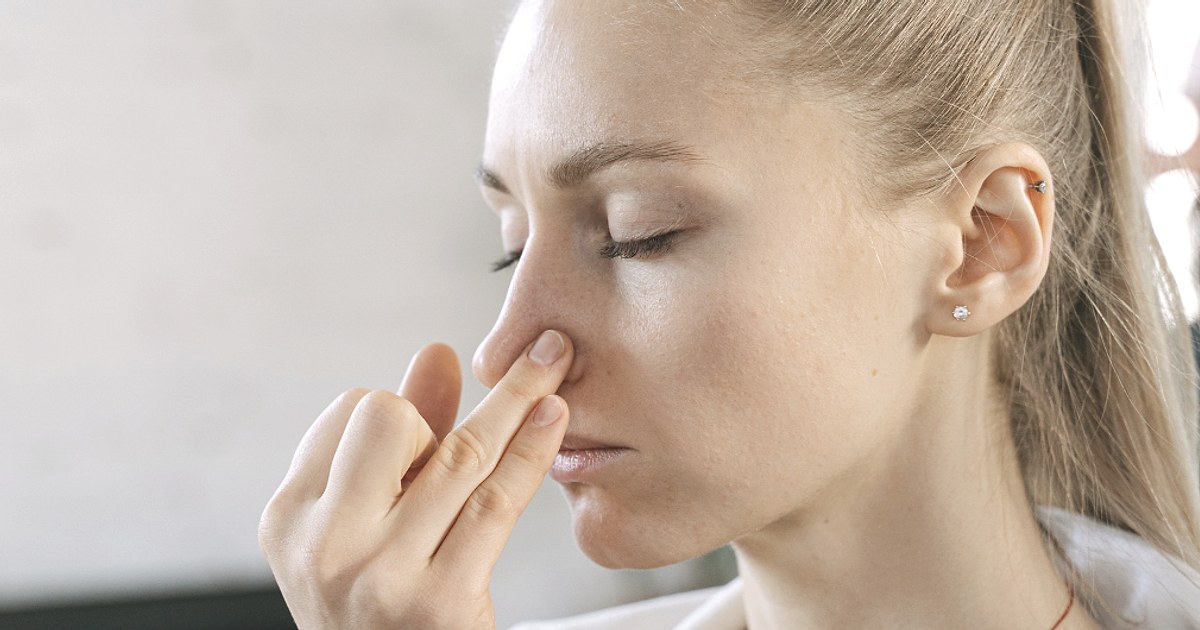
The NHS recommends a simple technique: breathing in through your nose and out through your mouth, in a slow, steady count, for at least five minutes (Source: NHS, 2026). A 2023 meta-analysis pooling 12 randomised trials on stress found breathwork had a statistically significant, small to medium effect compared with doing nothing (Source: Fincham et al., Scientific Reports, 2023). It's a genuinely useful tool. It's also not a cure-all, and the researchers themselves are careful to say so.
Who this is for
You've probably seen breathwork described as a way to "regulate your nervous system," and you want to know whether that's actually backed by anything or just wellness language. This is for anyone curious about a low-effort, free way to take the edge off everyday stress, and wanting an honest sense of what it can and can't do.
What the evidence actually shows
The 2023 review, published in Scientific Reports, looked at 12 randomised controlled trials measuring the effect of breathwork on stress, involving 785 adults in total (Source: Fincham et al., Scientific Reports, 2023). It found a statistically significant small to medium effect, meaning people who practised breathwork reported lower stress than those in control groups. Similar-sized effects showed up for anxiety and depression across a larger set of studies.
That's a genuinely encouraging result for something free and simple to try. But the same researchers were explicit about the limits of their own findings: most of the individual studies carried a moderate risk of bias, there wasn't a clear connection between how much someone practised and how much it helped, and long-term follow-up data was thin. Their own words were a call for "nuanced research" so that the evidence doesn't get ahead of the hype (Source: Fincham et al., Scientific Reports, 2023).
Why slowing your breathing might help
The NHS describes a specific technique for this: breathing slowly into your belly rather than your chest, in through your nose and out through your mouth, at a steady counted pace, ideally practised for five minutes at a time as part of a daily routine rather than only reached for in a crisis (Source: NHS, 2026). The idea is that slower, deeper breathing shifts your body out of the fast, shallow breathing pattern that tends to go along with feeling stressed or anxious.
It's worth being realistic about what this technique is for. The NHS presents it as a tool for everyday stress, anxiety and panic, not as a treatment for a diagnosed mental health condition, and it doesn't set out when something more than breathing exercises might be needed (Source: NHS, 2026). That's a gap worth naming rather than glossing over: breathing exercises are a good first thing to try, not a replacement for talking to someone if stress is persistent or getting in the way of daily life.
Getting started, and knowing when to look further
If you want to try it, the NHS's version is simple: find a comfortable position, sitting, standing or lying down, loosen anything restrictive around your chest, and breathe in through your nose and out through your mouth at a slow, steady pace for around five minutes (Source: NHS, 2026). Doing it regularly, rather than only when you notice you're stressed, is what the guidance points to as most useful.
If stress feels like more than something a few minutes of breathing can touch, that's a sign to look at what else might help, whether that's talking to someone, looking at what's driving it, or seeing a GP. Breathing exercises are a genuinely useful part of the toolkit. They're not the whole toolkit.
A 2023 meta-analysis of 12 randomised trials found breathwork had a statistically significant small to medium effect on stress, with similar effects on anxiety and depression, though the researchers flagged moderate bias risk and thin long-term data across the studies (Source: Fincham et al., Scientific Reports, 2023). The NHS recommends a simple technique of slow, belly-deep breathing in through the nose and out through the mouth, practised for at least five minutes, ideally daily rather than only when stressed (Source: NHS, 2026). Breathing exercises are presented as a tool for everyday stress and anxiety, not a treatment for a diagnosed condition. If stress persists or affects daily life, that's a reason to look beyond breathing exercises alone, including speaking to a GP.
Questions people often ask
Research backs this up to a point. A 2023 meta-analysis of 12 randomised trials found a statistically significant small to medium effect of breathwork on stress, though the researchers noted the underlying studies had some risk of bias (Source: Fincham et al., Scientific Reports, 2023).
The NHS recommends practising for at least five minutes at a time, and suggests doing it regularly as part of your daily routine rather than only when you're already feeling stressed (Source: NHS, 2026).
No. Breathing exercises are presented as a tool for everyday stress, anxiety and panic, not a treatment for a diagnosed mental health condition. If stress is persistent or affecting your daily life, it's worth looking at other kinds of support too.
The NHS's version: sit, stand or lie comfortably, loosen anything tight around your chest, and breathe in through your nose and out through your mouth at a slow, steady, counted pace for around five minutes (Source: NHS, 2026).
The evidence reviewed here focused on stress, anxiety and depression rather than sleep specifically, so it's reasonable to try the same slow-breathing technique before bed, but it isn't something the research covered here directly tested.
This article is for general information only and is not a substitute for professional medical advice. If you are concerned about a specific symptom, please see a GP or other qualified healthcare provider.